The Southern California real estate market is notoriously competitive, characterized by high property values and tight rental demand. For Property Managers (PMs), success hinges on maximizing two variables: rental income and minimizing vacancy time and maintenance costs.
While major renovations or amenity upgrades often dominate the budget conversation, the single most underestimated factor for immediate ROI is flooring. Flooring is the foundation of a tenant’s perception; visible deterioration prolongs vacancy and forces rent reductions.
At V&S Carpet and Flooring Inc., we believe that strategic flooring investment is not merely an expense—it’s an insurance policy against future losses.
I. The True Cost of Tenant Turnover: Why Flooring Matters
Tenant turnover is a PM’s most significant expense. Every day a unit is vacant, revenue is lost. Flooring directly impacts the speed of turnover in two ways:
A. Reducing Vacancy Time (The Immediate ROI)
 In California, tenants want move-in ready, modern spaces. If a prospect walks into a unit with worn, outdated, or stained carpet, they immediately perceive the unit as neglected, often leading them to choose a competitor.
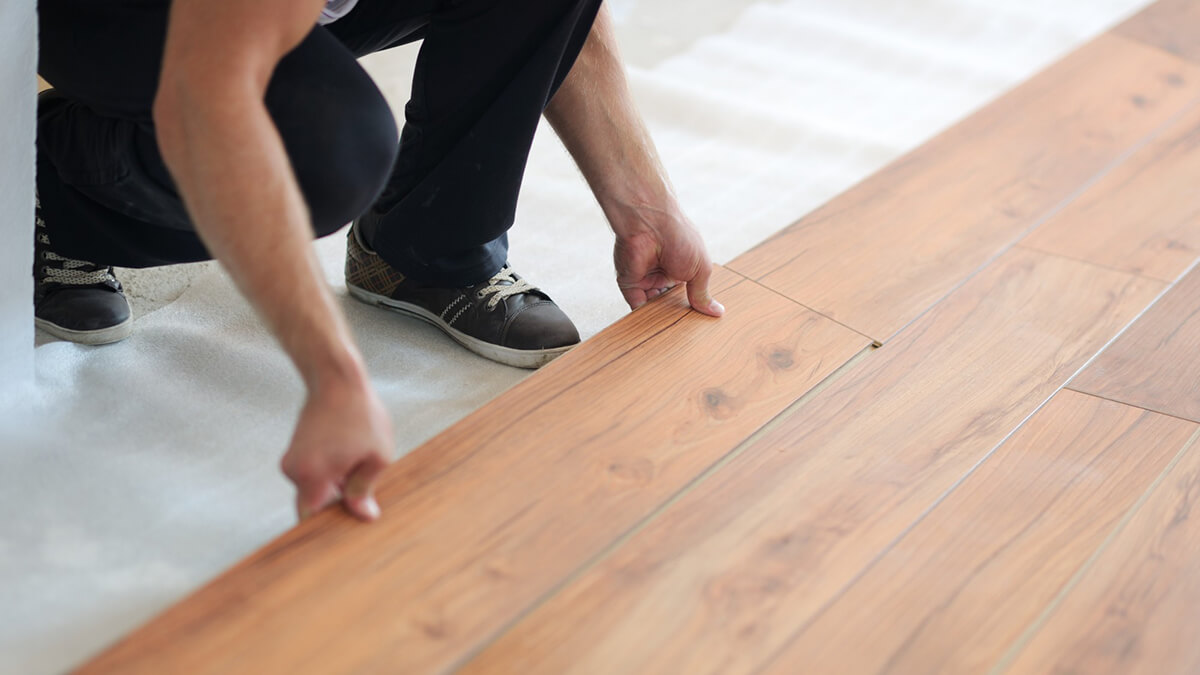
- Aesthetic Appeal: New, neutral, high-quality flooring (like LVP) provides a clean, modern aesthetic that drastically shortens the marketing period.
- Pricing Power: Properties with new, durable flooring can command a rental premium, often offsetting the cost of replacement in the first year alone.
B. Minimizing Turnaround Maintenance Costs
The use of inferior or outdated flooring materials (cheap laminate, low-grade carpet) guarantees replacement after just a few tenants.
- By choosing durable, commercial-grade materials from the V&S catalog, you extend the floor’s lifecycle from 5 years to 10-15 years, eliminating premature replacement costs.
II. Strategic Material Selection for Maximum Durability
For PMs, durability must outweigh all other factors. We guide our clients toward materials proven to survive the high wear-and-tear of rental usage:
1. Luxury Vinyl Plank (LVP) – The ROI Champion
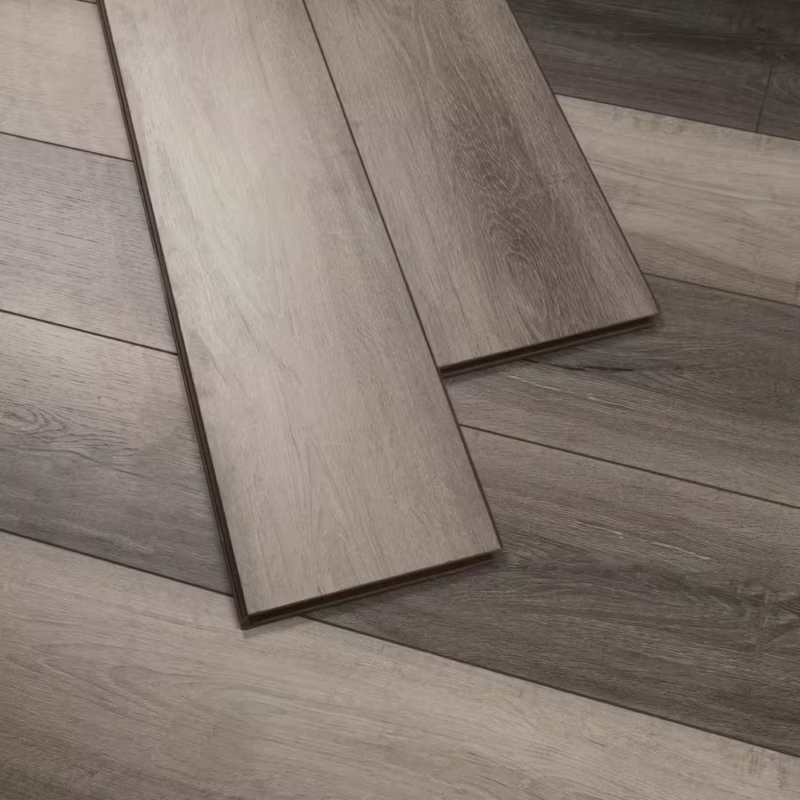
LVP is the undisputed king of rental flooring. Its 100% waterproof composition eliminates the most common and costly damage risk: water from spills or appliance leaks. LVP’s thick wear layer resists scratches and scuffs far better than traditional laminate, translating directly into fewer maintenance calls and lower replacement risk between tenants.
2. High-Density Nylon Carpet
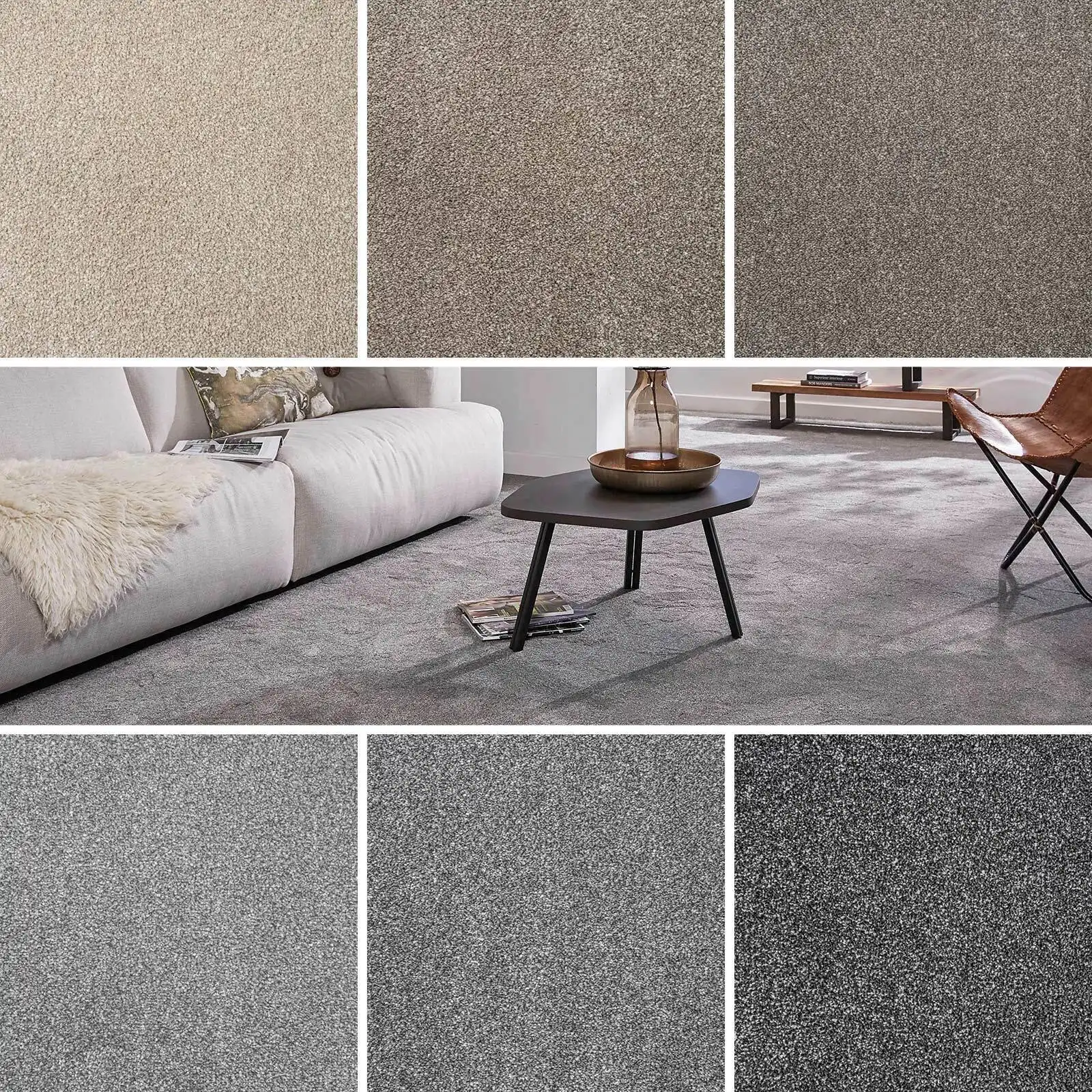
For bedrooms where comfort is key, select carpet based on density, not fluff. High-density, low-pile nylon carpets resist crushing and staining better than softer alternatives. This makes professional cleaning highly effective, often extending the carpet’s life through multiple turnovers before replacement is mandatory.
III. The V&S Services Advantage: A Seamless Process
Choosing the right material is only half the battle; professional installation is the key to longevity. Our partner, V&S Management Services, brings over 35 years of hands-on experience and a certified team to ensure your investment is protected.
- Speed and Efficiency: We specialize in rapid turnover installations, understanding that every hour the unit is off-market is lost income.
- Permit and Compliance Handling: As a CSLB-certified contractor, we handle all necessary paperwork and permits, ensuring your project is compliant and risk-free.
- Warranty Protection: Proper, certified installation ensures your product warranties are valid, protecting your long-term investment.
IV. Conclusion: Shifting the Mindset from Cost to Investment
Successful Property Managers in Southern California view flooring not as a depreciating asset, but as an appreciating factor that maximizes the primary asset: the rental unit itself. By choosing high-performance, attractive, and professionally installed flooring solutions, you directly impact your profitability by:
- Drastically lowering long-term maintenance and replacement expenses.
- Reducing vacancy rates.
- Commanding higher rents.